October 19 Visit Day Preview: Augustine and the Psalms
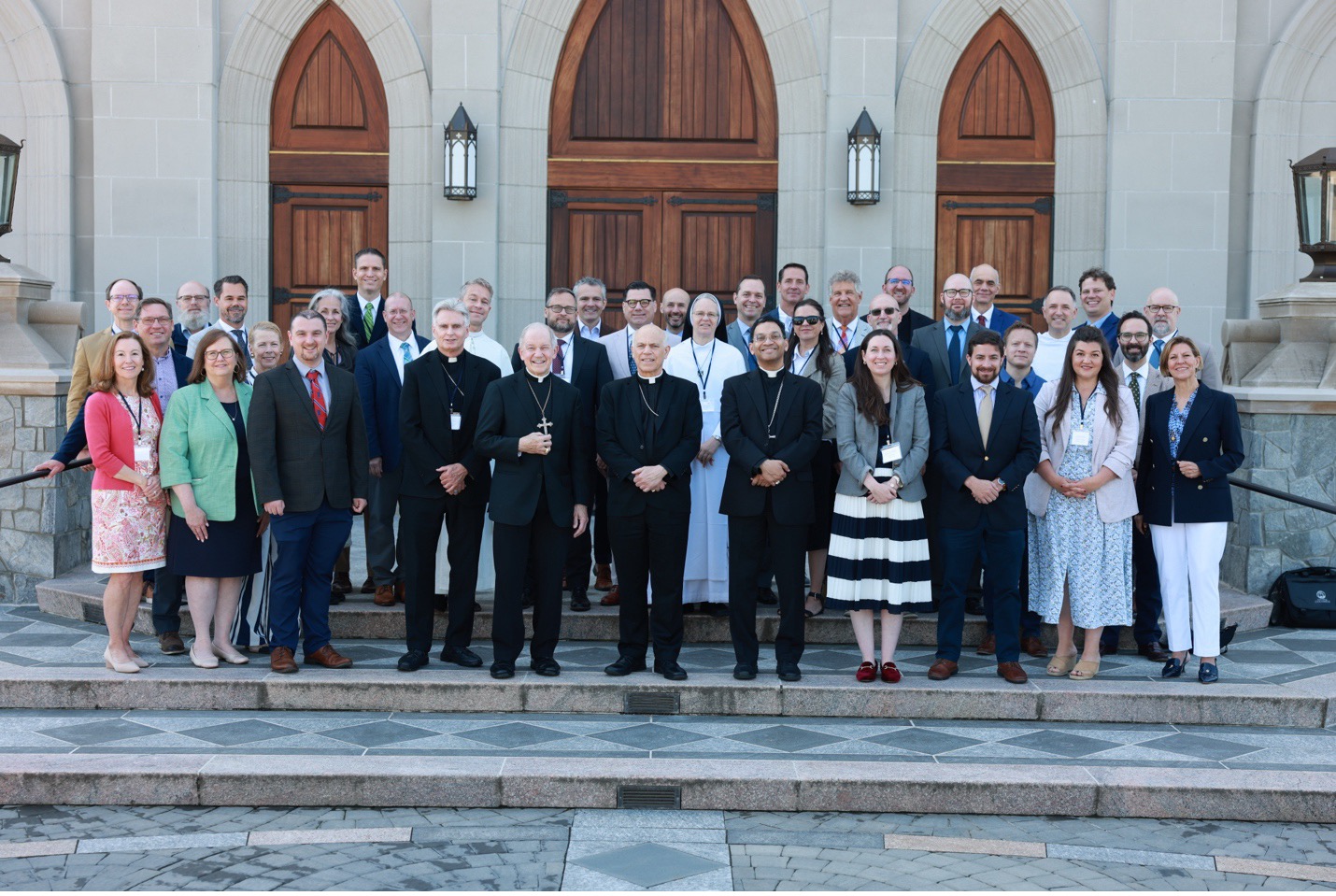
On October 19th, the Augustine Institute will host a campus visit day, providing prospective students a complimentary glimpse of graduate school life with talks, tours, and social time. We do these because there’s nothing quite like experiencing the life of campus for discerning if graduate studies is the right step. A visit day also provides an opportunity for the professors to teach material they love: in this case, Augustine’s profound insights into the Psalms.
We might start with a basic question, so dear to Christian piety through the ages: how are we to read the Psalms in prayer? Those who often or daily pray the Liturgy of the Hours encounter the Psalms repeatedly in prayer, making their words their own prayer. Even those who do not regularly pray the Psalms on their own still pray them responsorially at each mass. The Psalms are the Bible’s great school of prayer. So how are we to receive them as our own? Some, perhaps, seem obvious, like an exhortation: "Blessed is the man...whose delight is in the law of the Lord" (Ps. 1:1-2). But what does it look like for "my soul is full of troubles" (Ps. 88:3) to be our words of prayer?
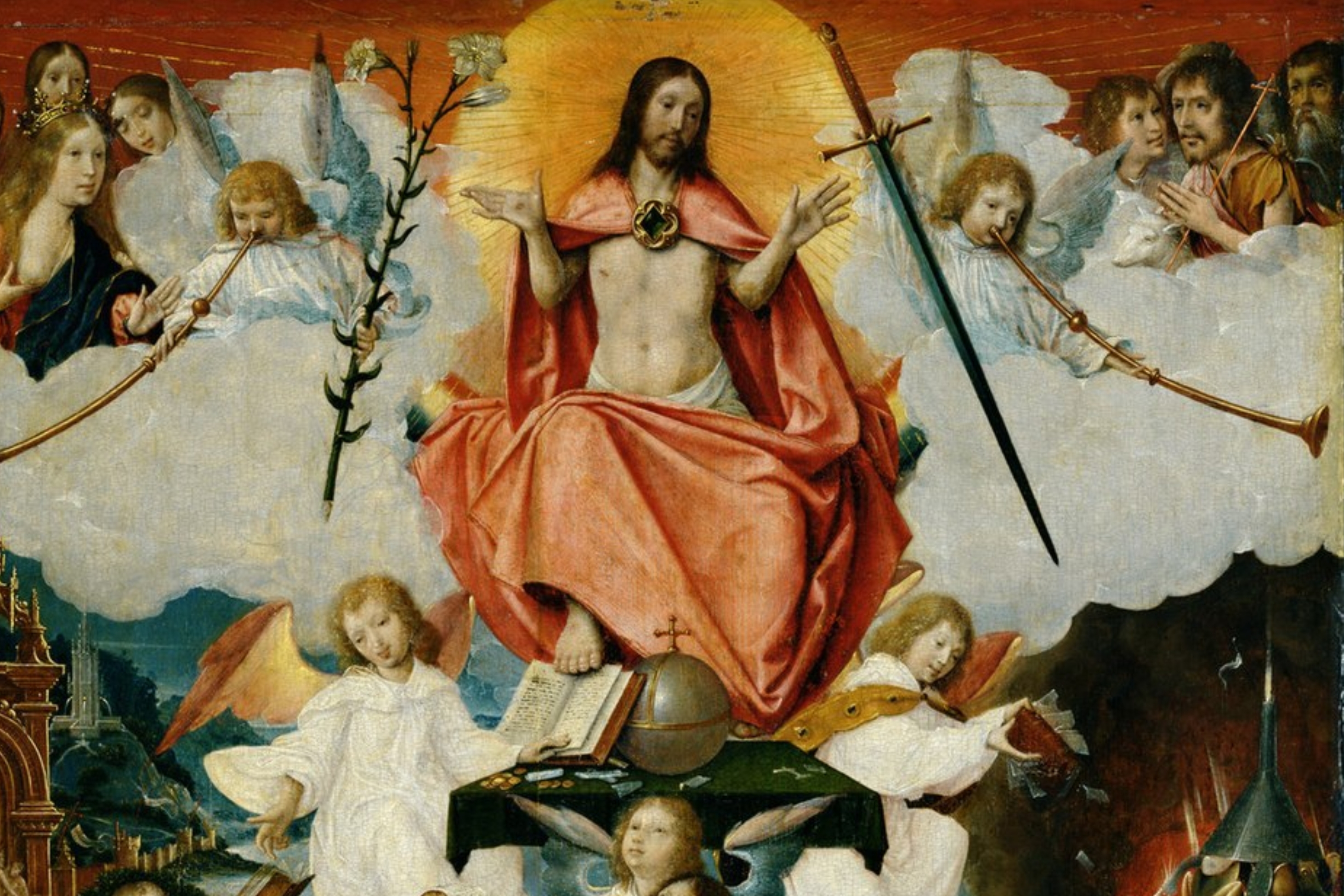
These questions occupied Augustine as he preached through every single Psalm over a span from 392 to 418 AD, beginning just after his ordination to the priesthood and ending two decades into his episcopacy. There one finds a central insight for Augustine: that the Psalms are the words of Christ. This insight comes not only from seeing that the Psalms, as inspired by God, are Christ’s words as God, nor only from recognizing how often the Psalms are on Jesus’s own lips in the Gospels (Ps. 110:1, Ps. 22:1, Ps. 118:22, etc.). It comes from also understanding that in the incarnation Christ has taken human nature up into himself and that he therefore unites all the faithful—Gentile and Jew—into one through his own body (Eph. 2:14-16). As Paul writes, "Now you are the body of Christ and individually members of it" (1 Cor. 12:27). Those individuals called together in faith who make up the Church are in fact individual members or cells of a body, and that body’s head is Christ (Col. 1:18, Eph. 5:23), who unites and nourishes the whole body (Col. 2:19).
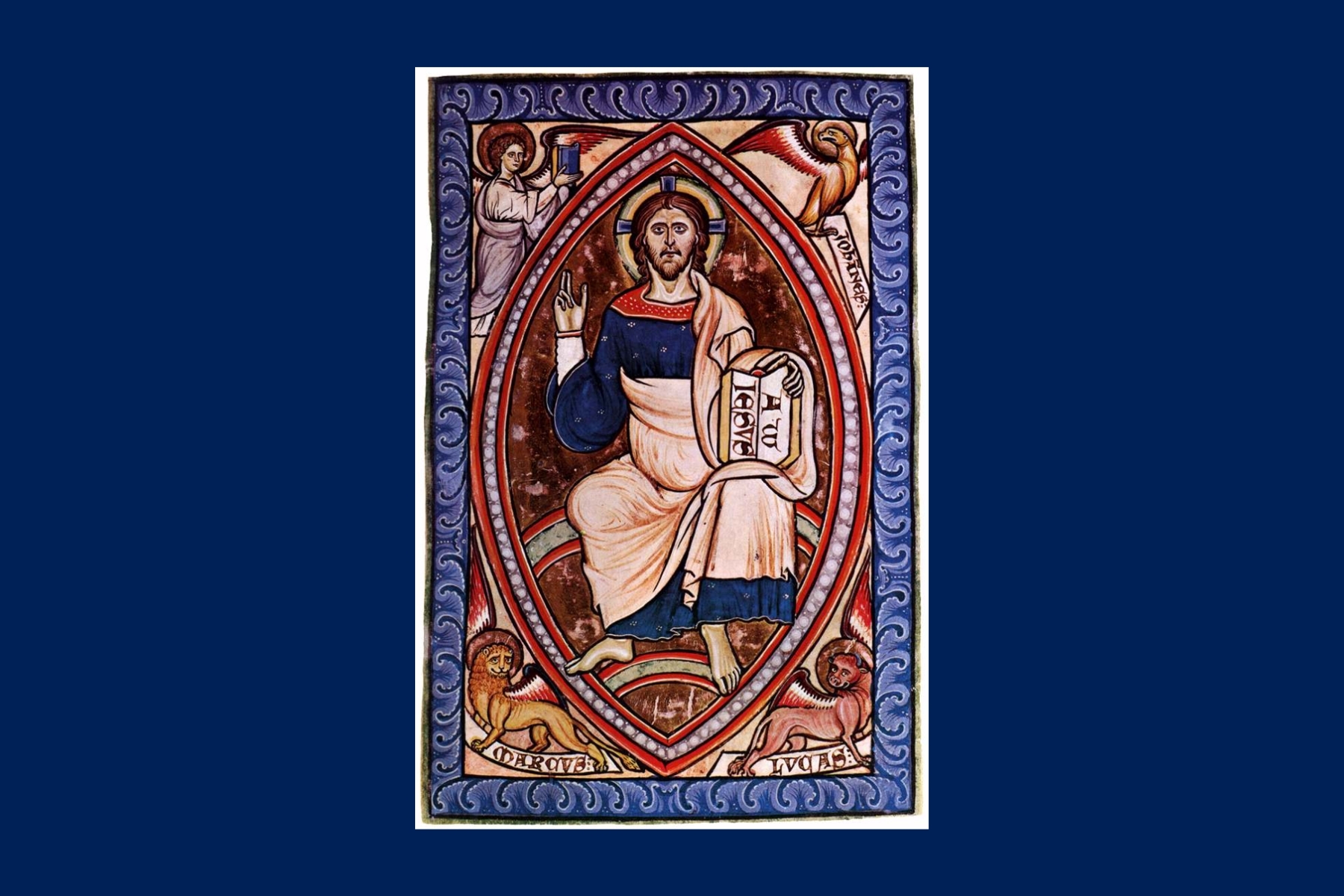
This is a starting point for Augustine’s oft-noted understanding of the totus Christus, the whole Christ. This term refers not to any individual person but rather to the unity that exists between Christ and his Church, who form a whole. When we think of Christ—as head of the Church—and the Church—as his body—together we have the whole Christ, totus Christus. And this whole Christ, Augustine proposes, is the speaking subject of the Psalms.
What does this mean? It means that in every Psalm Christ is the one speaking, but the mode of his speaking differs. In some Psalms, Christ speaks with his own mouth, in his own proper voice, that is, as head. In other passages, it is not with his own mouth that Christ speaks but through ours, leading us to recognize that the words of the
faithful are still words of Christ spoken through his body. This is because, Augustine explains, just as marriage makes two into one, so too Christ’s marriage to the Church makes one subject; moreover, just as marriage makes two flesh into one, so too Christ makes "two in one voice" (Expositions of the Psalms 30.2.4). Even in those individual verses where neither Christ nor his Church are talking, strictly speaking, they are nonetheless being spoken of, so that all the Psalms are still about Christ and the Church. And so, Augustine says, "We should hear his voice...in all the Psalms, jubilating or groaning, rejoicing in hope or sighing with love in fulfillment" (Expositions of the Psalms 42.1, translated by Maria Boulding).
This approach means that every time we pray the Psalms we are listening to the voice of Christ, either as he speaks from his own mouth, or as he graciously lifts up our petitions, groans, laments, and praises to be his own. There are many implications of this way of reading the Psalms, some of which we explore at more length during the visit day on October 19th during the visit day. One, though, I will give now as a foretaste: recognizing the Psalms as the words of Christ and his Church married into one means that Christ and the Church become our point of reference when we meditate upon the Psalms in order to learn from them how to pray. Just as Paul says that "the Spirit himself intercedes for us" because "we do not know what to pray for as we ought" (Rom. 8:26), so too, in a similar way, the Spirit teaches us how to pray through the words of the Psalms understood as Christ’s. Augustine calls this "the wonderful exchange" whereby, in a similar way to how Christ came to die so as to remove death, to suffer so as to give salvation, he also comes down "to speak in our words, so that we in our turn might speak in his" (Expositions of the Psalms 30.2.3).
We can take one example for now. Augustine takes the words "my soul is full of troubles" (Ps. 88:3) as the words of Christ, whose soul underwent agony in the garden of Gethsemane and during his crucifixion (Matt. 26:37-38). This provides an avenue for at least two approaches to the Psalm: first, the Psalm always provides an opening for meditation upon the sorrow of Christ for our salvation. Second, the Psalm also teaches us to see our troubles in light of Christ, and thus not only to express our grief to God as the Psalm invites, but to model our expressions of grief to God in prayer off of Christ’s, so that our sorrow might become a holy sorrow. The words of the Psalm thus train our sorrow to be like his sorrow, voluntarily surrendered to the Father, so that "we in our turn speak in his" words.